
The following accounts have an interesting commonality…can you guess what it is?
An ancient indigenous people who hunted, fished, and farmed on the ground we tread today.
An early upriver settlement full of plucky English colonists led by their hard-nosed, inventive governor.
A traitorous man who turned on his countrymen and destroyed their entire navy.
A mysterious sunken graveyard of barges and rusty tugs that today’s kayakers and canoeists regularly paddle by.
Did you figure it out? They’re all part of a centuries-old parade of people and events that make up the fascinating history in and around Chesterfield County’s city of Chester, Virginia. So, let’s take a brief look at how it all unfolded…
Thousands of years before the highways, towns and neighborhoods of today, forests of Chesterfield County were inhabited by an agricultural society of indigenous peoples. By the time the colonists arrived, these native Americans had organized themselves into a vast, united chiefdom under a famed leader named Powhatan, father of Pocohontas.
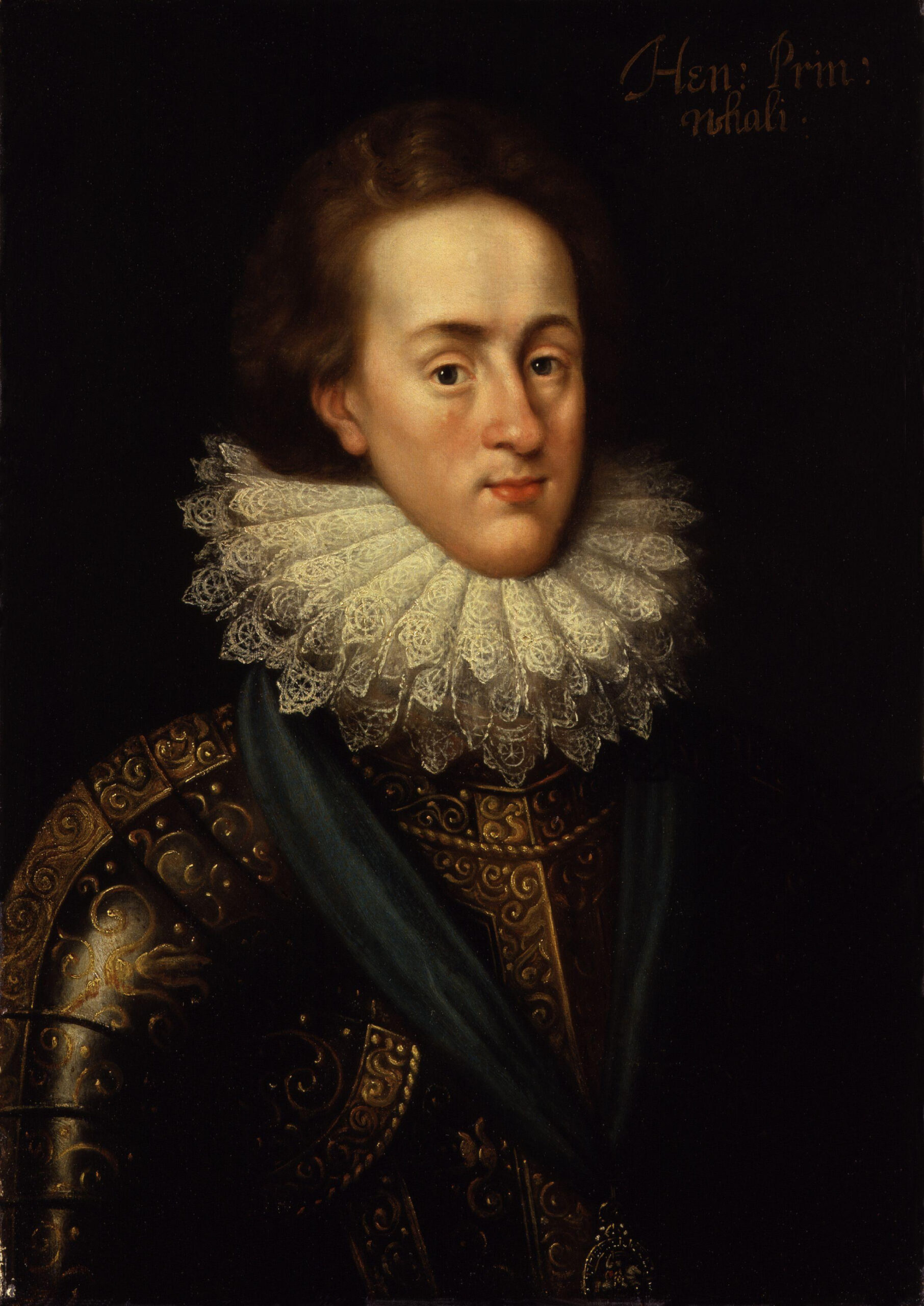
 Enter Sir Thomas Dale and his band of English settlers in 1611. This life-long military man was appointed as Deputy Governor of the New World and was bent on restoring and maintaining order—someone you would not want to mess with! After sailing up the James, he established the settlement of Henricus, named for King James’ son, Henry Frederick. The community was protected by a Dutch-style fenced ditch across a narrow bend in the river, known as “Dale’s Dutch Gap.”
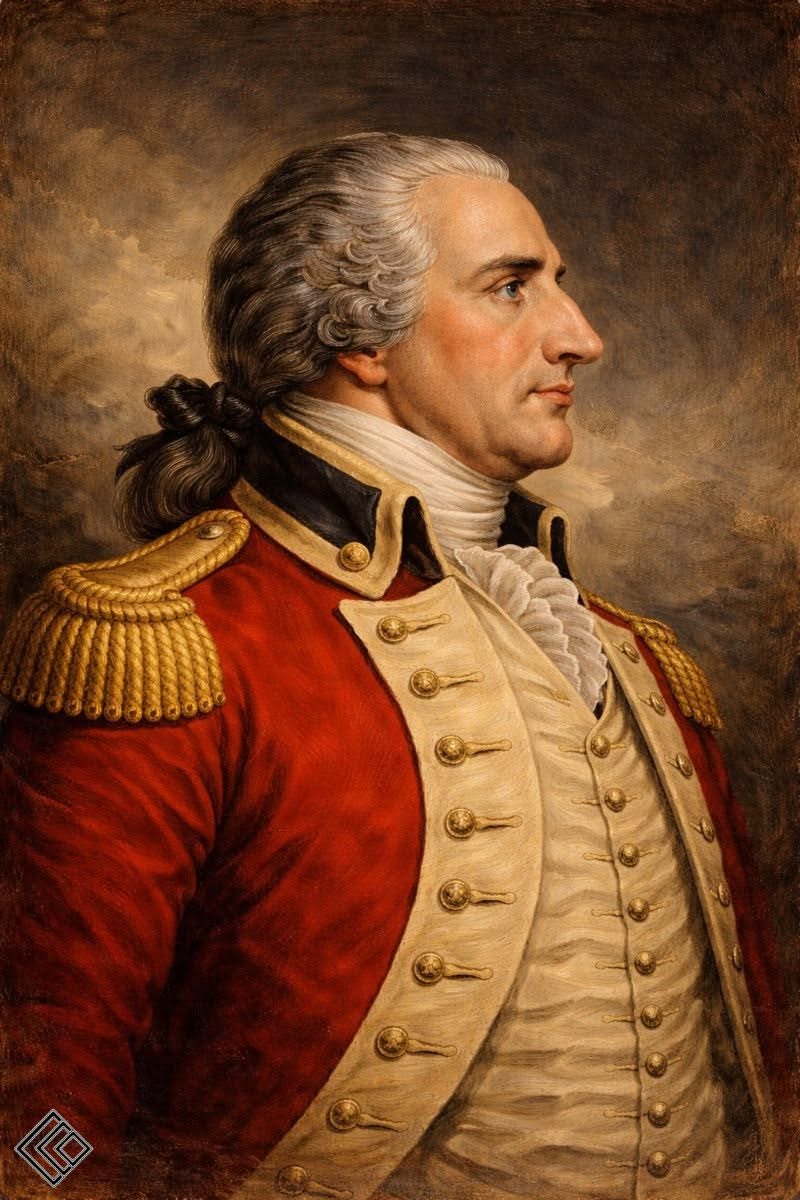
 Fast forward to 1781–the American Revolution was in full swing. Newly defected British General Benedict Arnold marched his forces upriver to a spot near Dutch Gap, called Osborne Landing. The entire Virginia State Navy was there and refused to surrender. From the banks, British rifle fire kept the colonial crews from manning their deck guns, resulting in the navy’s destruction and capture. Amazingly, Arnold defeated them without a navy of his own!
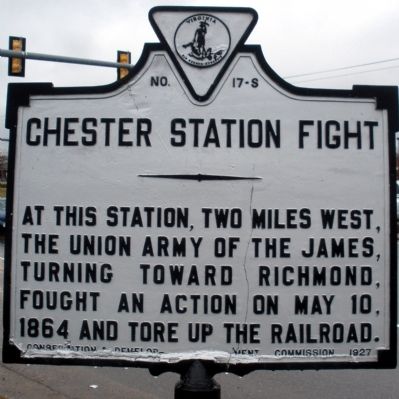
Over the years, Chesterfield County’s communities steadily grew, and by the 1840s, the railroad was flourishing here. Chester’s original “downtown” began as a train stop on the Richmond and Petersburg Railroad near present-day U.S. Route 1 and West Hundred Road (Route 10). Unfortunately, during the Bermuda Hundred Campaign, Chester Station became the site of an 1864 Civil War battle that destroyed the railroad.
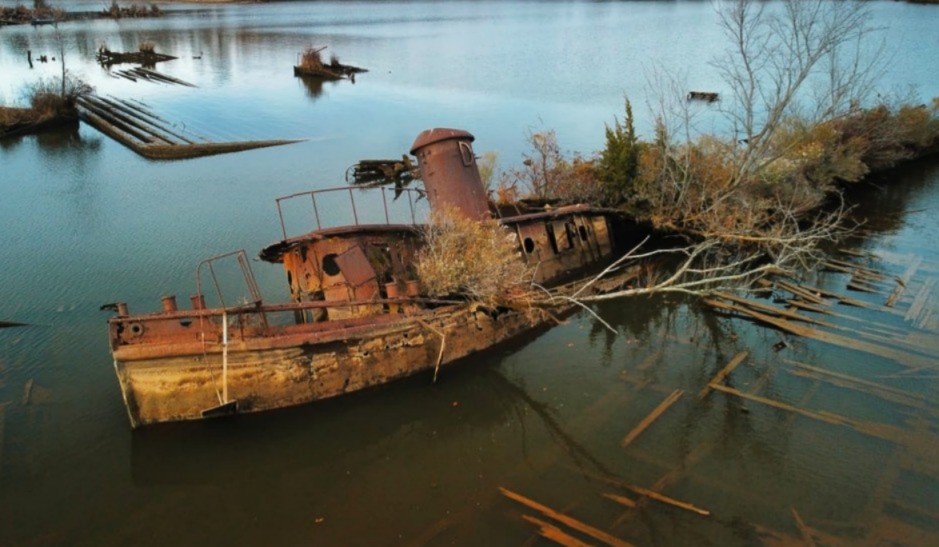 During the 20th century, between the 1920s to1960s, mining companies floated sand and gravel down the James by barge and tugboat. When their operations ended or the vessels became too old, they were left to decay in the shallows. Today this eerie sight can be experienced firsthand by paddlers enjoying the tranquil 2.5-mile Lagoon Water Trail located in Chester inside the Dutch Gap Conservation Area.
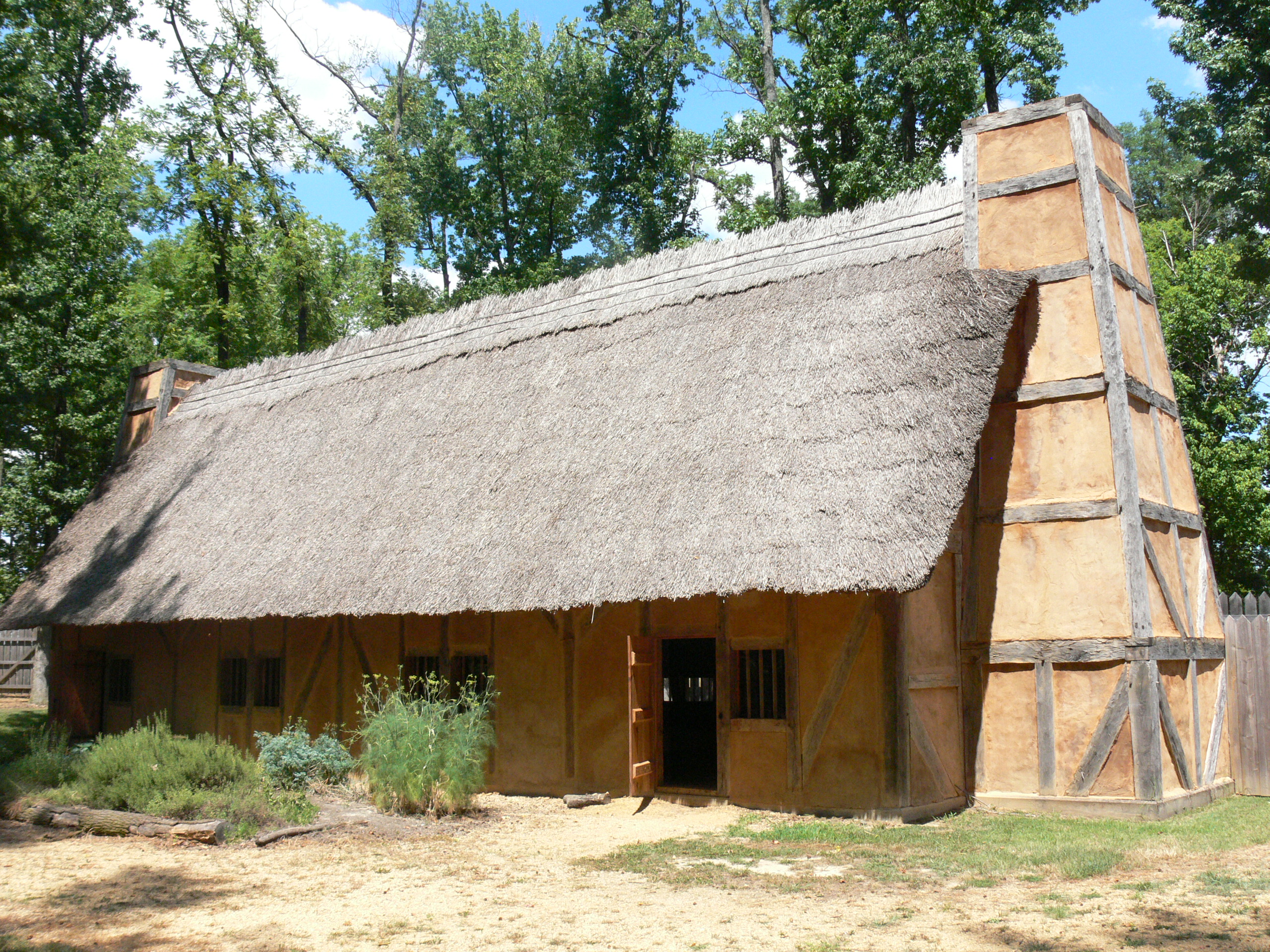
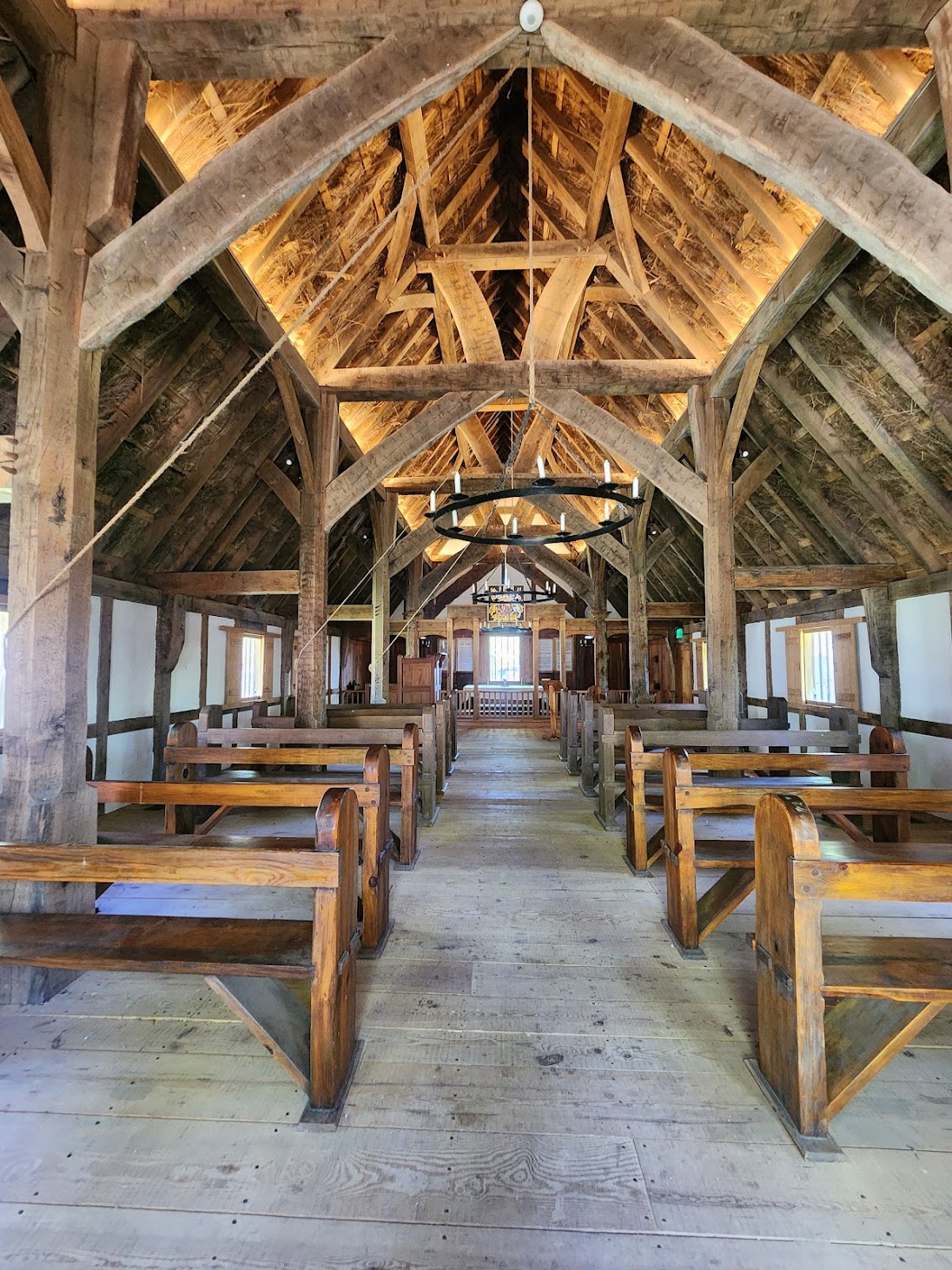
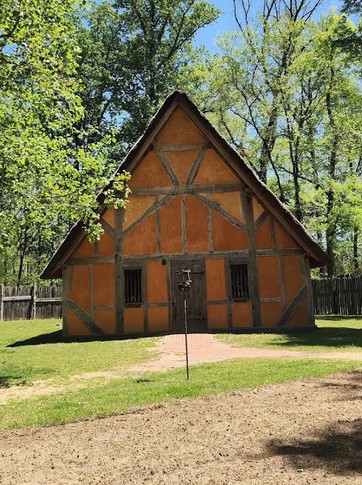 It’s now time to wrap up our parade of events in Chesterfield County’s history. But for those who would like to continue this journey, a visit to Chester’s Henricus Historical Park is just the ticket! Here, visitors can tour meticulously reconstructed 17th-century buildings and Native American villages, paired with reenacted demonstrations of life back in the day.
Editorial by Kim Amboy; September 2026