
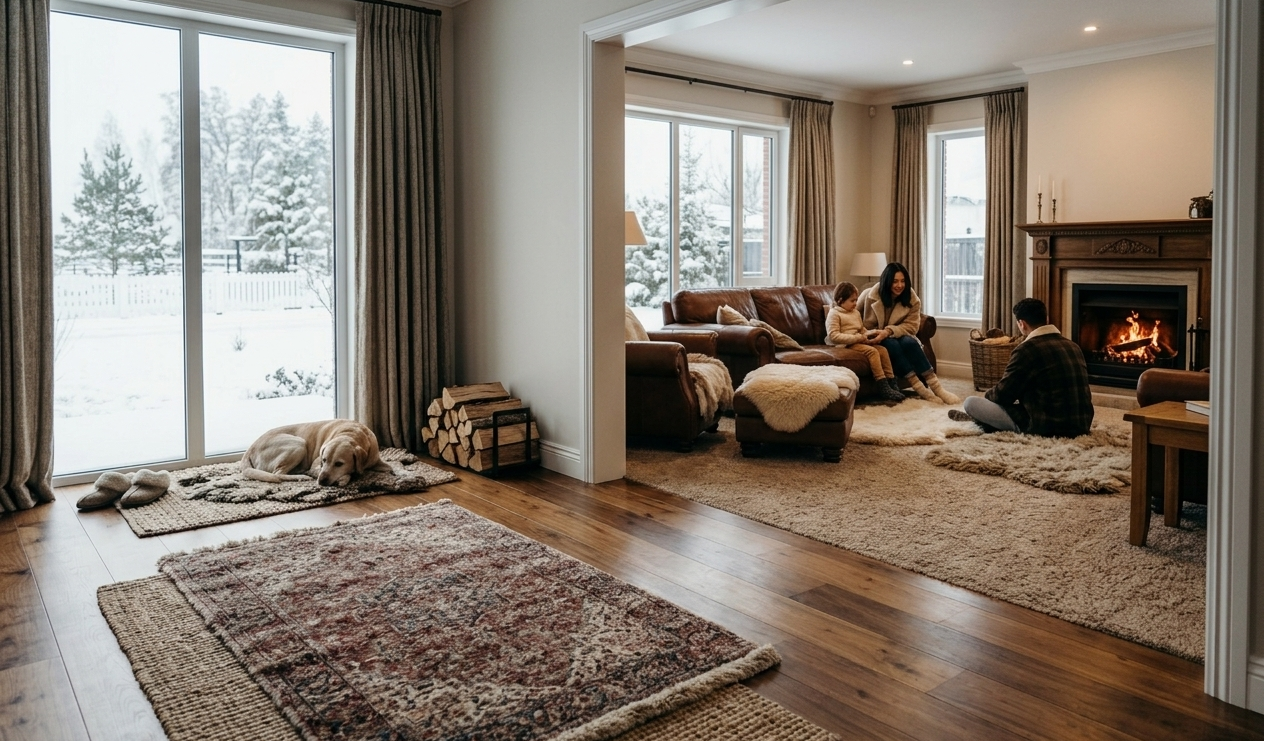
 According to the NOAA, “During the October-December 2026 season, there is a 69% chance of a historic [El Niño] event that would exceed the strength of previous El Niño events dating back to 1950.” I don’t know about you, but when I hear that, I think: It’s time to be proactive and get ahead of this potentially “historic” winter.
What are some concerns? And what can we do to mitigate the risk of dangerous or expensive outcomes?
The concern: Freezing Temperatures
- HVAC. You don’t want to discover a heating problem on the first really cold night of the season. Schedule routine HVAC maintenance and dryer vent cleaning now to help prevent winter breakdowns and improve efficiency.
- Chimneys. A pre-season cleaning will not only keep your family safe from dangerous air quality and fire hazards from buildup, but can also reduce your wood consumption and extend your chimney’s life.
- Windows & Doors. Fixing leaky windows and doors can lower your heating costs and the strain on your HVAC system.
- Septic Systems & Wells. Autumn is a good time for septic maintenance or inspections since the ground is still workable. If you have a private well, consider having your water quality checked and confirm pipes and other components are prepared for freezing temperatures.
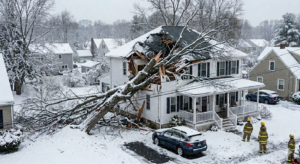 Trees. Have dead, damaged, or potentially dangerous trees near your home, driveway, or walkways inspected and removed before winter storms arrive.
The concern: Mold & Moisture
- Roof and Gutters. Roofs can have years of buildup of algae, fungus, and moss, creating a warm home for mold. Clogged gutters encourage mold growth and can even cause leaks and foundation issues. Getting your roof and gutters cleaned, along with the installation of gutter guards, can deter mold growth in your home and prevent water damage.
- Crawlspace or Basement. Dark, damp areas beneath and inside our homes can become breeding grounds for mold. Proper sealing, drainage, and moisture control can help keep your home drier and more comfortable.

The concern: Leaving Home
- Driveways. Safe access into and out of your home is important for your family, guests, and emergency responders. Address potholes, drainage problems, uneven surfaces, and other hazards before they’re covered by snow or ice.
- Vehicles. Winter weather can be tough on our vehicles. Tires with low tread significantly increase the risk of accidents. Regular maintenance and a seasonal tune-up can keep you and others on the road safe.
We certainly don’t want to imagine the worst-case scenario, but being prepared doesn’t mean expecting the worst. It simply means giving ourselves a better chance of handling whatever winter brings. A little preparation now may come with some upfront expense, but the peace of mind and the money saved by avoiding a major repair or emergency can make it well worth the effort.
Published October 2026