
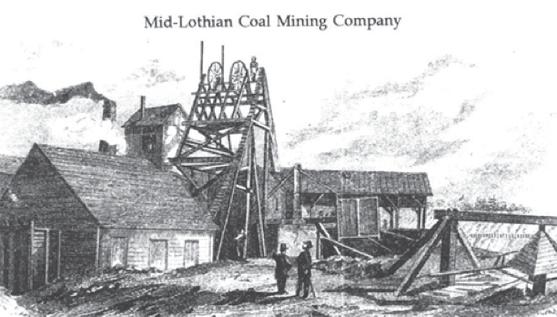
 Midlothian is a great community–excellent schools, top-notch restaurants, and beautiful neighborhoods. And if you have the pleasure of living here, you might take for granted your modern suburban lifestyle with all its nearby conveniences. But, as old-timers will tell you, this place wasn’t always the bustling Richmond suburb it is today. As a matter of fact, the history of Midlothian, Virginia, is quite an interesting saga, and one that bears retelling. So, gather ‘round and listen to the tale of your own stomping grounds.
Long before the English colonized this area, native Americans, particularly the Appamatuck and Arrohateck tribes, lived and thrived here. Several archaeological sites in Midlothian and Chesterfield County provide evidence of their settlements and their subsequent interactions with English settlers in the early 1600’s.
 The population increase in this area gave birth to an important discovery–COAL! The first coal mines were set up in the early 1700’s, and because of these events, Midlothian was originally named Coalfield. As the story goes, the name “Midlothian” was later chosen by Scottish-born residents to honor the mining region in Scotland that shared the same name. In the early 1800’s, coal had become big business here, being shipped to places all across America, even to the US White House during Thomas Jefferson’s presidency.
In those early days, shipping all that coal became a bit of a logistical nightmare. The road upon which it was carted became deeply rutted by the heavy coal wagons, which frequently got stuck in them. The ruts were also a nuisance to farmers carting their produce and other travelers in general, necessitating the people and mine owners to petition the Virginia General Assembly for permission to construct a turnpike. Today’s Midlothian Turnpike roughly follows the route of that resulting old road…it was Virginia’s first paved toll road. (Think about that next time you’re driving down 60.)
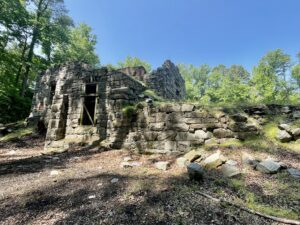
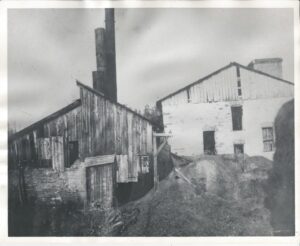
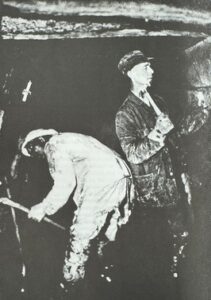
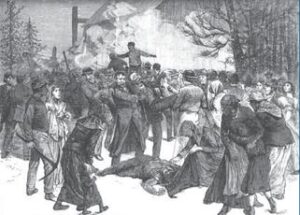
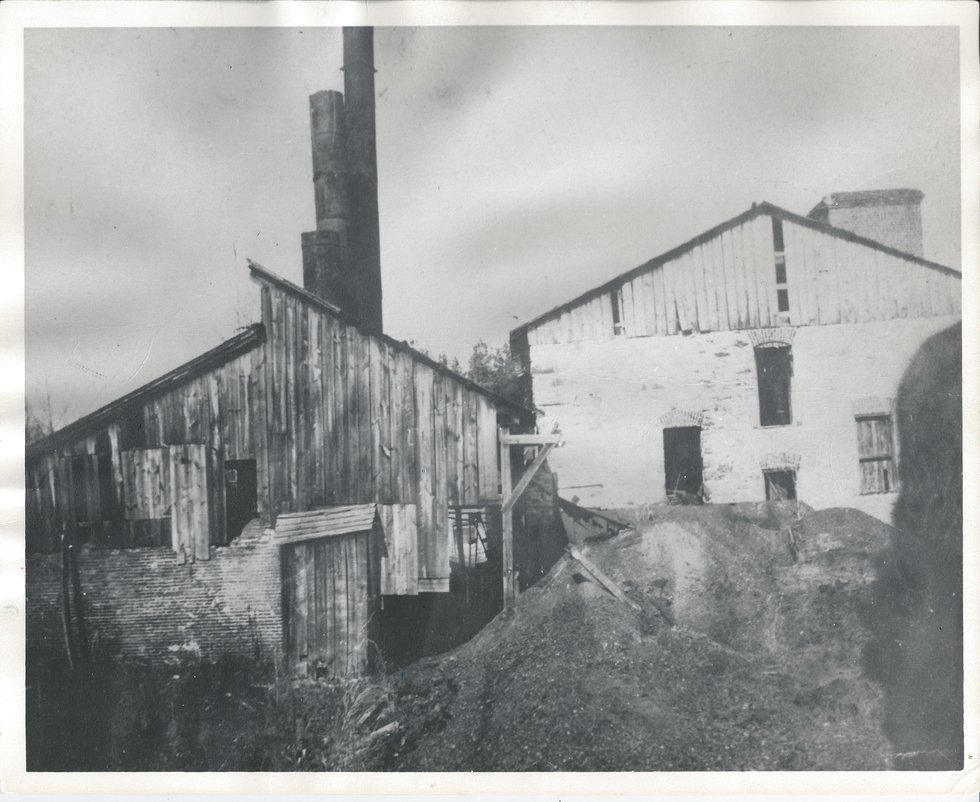
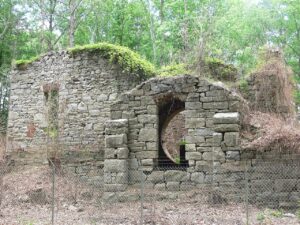 Back to our story…the coal boom during the 1800’s. Midlothian’s mines played a huge role in Virginia’s economy. Workers and businesses were attracted to the growing community. But, as with all mining towns during that time period, there was a dark side. Mining life was not only difficult, but dangerous. Workers put in long hours underground, risking their lives to ply their trade. Explosions and cave-ins were a regular occurrence at all mines. And Midlothian experienced its share of tragedy. One such incident, known as the Grove Shaft Explosion, occurred in the winter of 1882. A violent methane explosion trapped 32 men in the local mine with rescuers making several futile attempts to save them. Despite these tragedies, mining continued into the twentieth century until demand for coal declined. Incidentally, the stone ruins of the mines and all this fascinating history have been carefully preserved at the Mid-Lothian Mines Park, located at 13301 N Woolridge Rd in Midlothian.
And now we’ve reached the end of our historical tale. Midlothian eventually evolved into the vibrant community we know today, but I can’t really say, “They lived happily ever after,” because the story is not really finished. The history of Midlothian is still being written by today’s residents for future generations to read. It’ll be interesting to see how this story continues.
Editorial by Kim Amboy; July 2026